A good night's sleep isn't a luxury – it's a basic need. Sleep deprivation can seriously affect your health, mood and performance. Not getting enough good-quality sleep leaves you tired during the day, irritable and struggling to concentrate. It can have various causes, including constant worrying, having too much to do or sensory overload. Ambient noise or a snoring partner can also brutally disturb your sleep. Fortunately, the solution is easy: earplugs designed for sleep can make a real difference. You can also help prevent sleep deprivation by being more mindful about your sleep habits. If these approaches don't help, you shouldn't hesitate to seek professional help. Because you'll feel better in yourself and be nicer to be around when you get enough good-quality sleep!
What exactly is sleep deprivation?
Sleep deprivation is what happens when you regularly get less sleep than your body and mind need to function properly. This doesn't just mean 'fewer hours in bed' – it also means not getting enough good-quality sleep. You can spend eight hours in bed, but if you wake up frequently or don't achieve deep sleep, you may still suffer from sleep deprivation. Sleep deprivation is about more than just tiredness. It affects your concentration, memory, emotions, immune system and even your metabolism.
How much sleep do you really need?
We don't all have the same energy levels, so the amount of sleep we need varies from person to person. Here's a general guide:
- Adults (18-65 years): 7 to 9 hours per night
- Teenagers: 8 to 10 hours per night
- 65+: 7 to 8 hours per night
If you consistently sleep less than this and feel sleepy or irritable during the day, it's likely that you're sleep deprived.
Here's how to recognise the symptoms of sleep deprivation.
The physical symptoms of sleep deprivation are usually noticed first. Look out for:
- Persistent tiredness, including during the day
- Heavy or burning eyes
- Headaches or dizziness
- Weakened immunity: you get sick more easily
- Changes to appetite: being less hungry or craving sugary foods
- Slow reflexes and muscle tremors
Mental and emotional symptoms:
The impact on your mental state can be just as great:
- Difficulty concentrating or making decisions
- Increased forgetfulness
- Easily irritated or emotional
- Listlessness or low mood
- Reduced motivation
- Feeling anxious or depressed
Do you recognise several of these symptoms in yourself? Then it's time to take a serious look at your sleep patterns.
What are the short and long-term consequences of sleep deprivation?
In the short term, sleep deprivation directly affects how you feel and function. Your ability to concentrate decreases, you're more easily distracted, and you may experience mood swings. This makes it harder to think clearly or make decisions. You're less alert, too, which increases the risk of accidents, for example, in traffic or at work. You find it more difficult to exercise and perform at a high level because your body hasn't had time to recover properly.
If sleep deprivation continues for a long time, the negative effects pile up. Your body becomes increasingly unbalanced, which can lead to weight gain, metabolism disruption and a higher risk of type 2 diabetes. Your mental health also suffers: people with chronic sleep problems are more likely to develop anxiety disorders, depression or burnout. Even your sex drive and ability to function in social situations can be negatively affected because you're always tired and irritable.
In short, poor sleep affects everything, from your physical health and mental state to your emotions and behaviour. That's why it's vital that you recognise symptoms early and take action.
Causes of sleep deprivation: why do we sleep too little?
There are many causes of sleep deprivation. The most common include:
- Stress or worrying
- Environmental noise or a snoring partner. Read our tips on dealing with snoring partners.
- Irregular working patterns (like night shifts)
- Excessive screen use before sleep
- Eating too late or too heavily in the evening
- Sleep disorders such as insomnia or apnoea
- Caring for children or other dependents
- Physical pain or discomfort
Sometimes the cause is temporary, for example, if you're dealing with a stressful situation or have recently become a parent. But if your sleep deprivation is persistent, it's important to take action.
What can you do about sleep deprivation?
Want to sleep better? Here are our practical tips and solutions to help you get better sleep:
- Create a regular sleep routine. Get up at the same time every day, including weekends.
- Limit screen use. Put your phone, tablet or laptop away for at least an hour (but preferably longer) before bedtime.
- Make sure your bedroom is dark, cool and quiet.
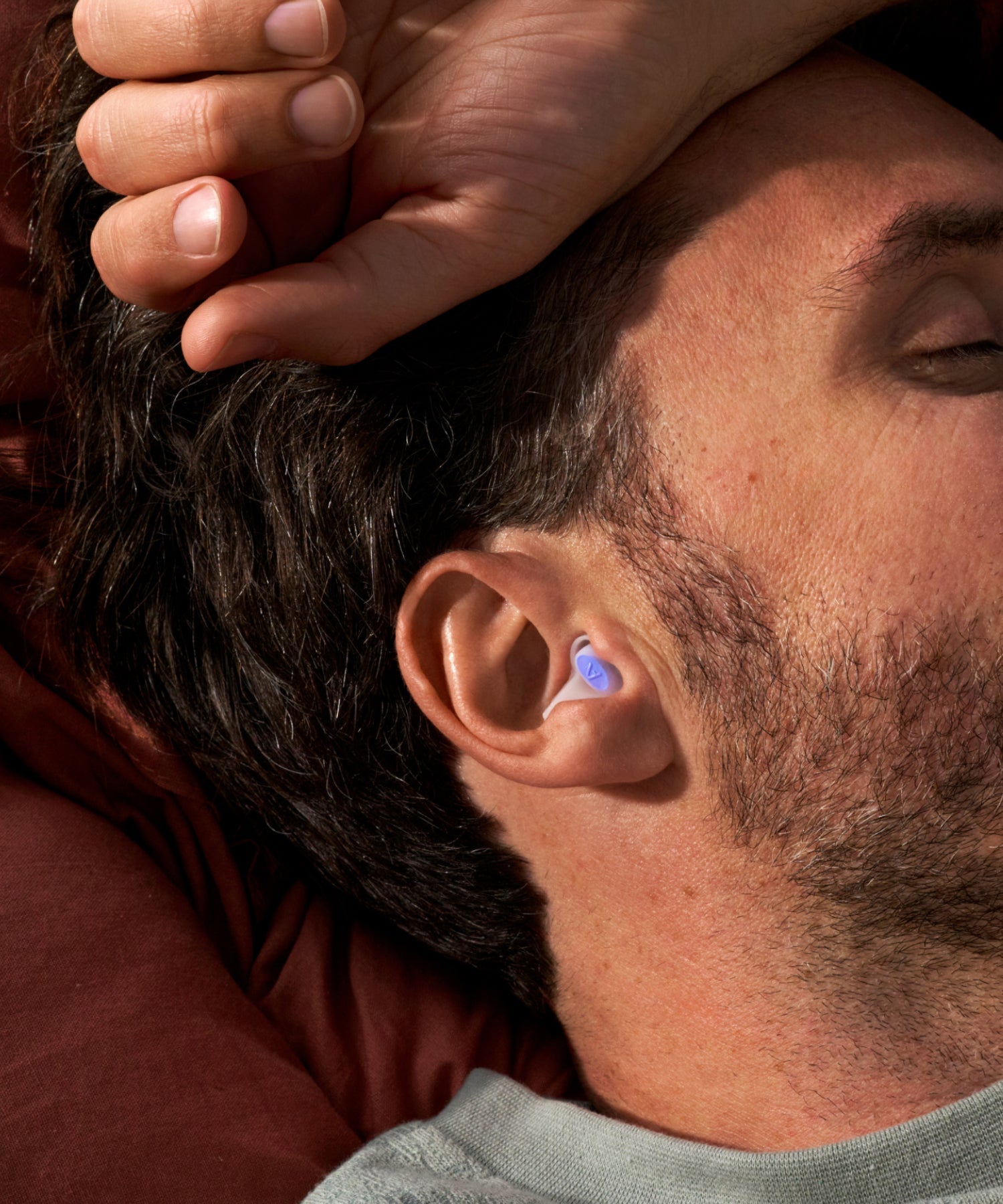
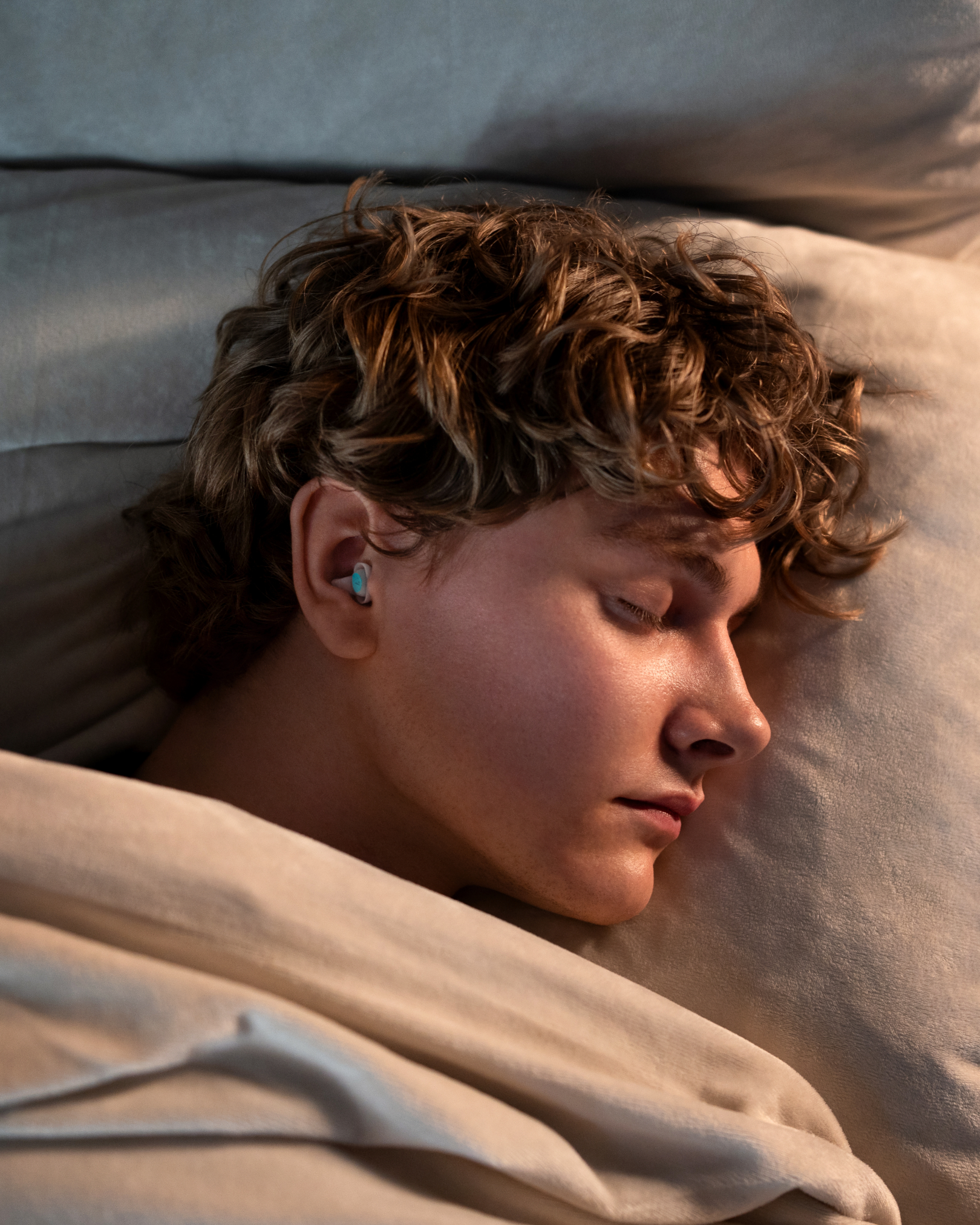
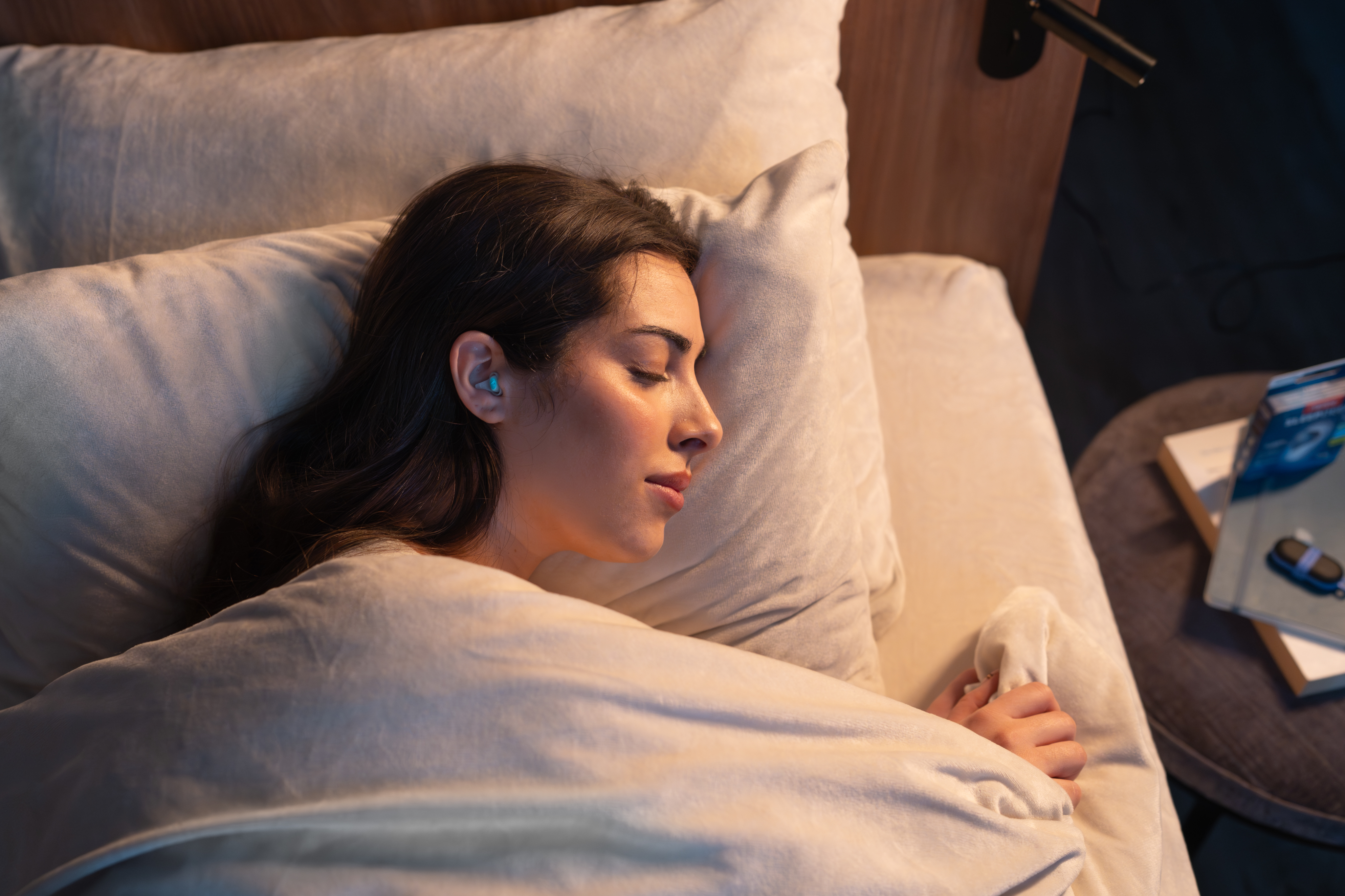
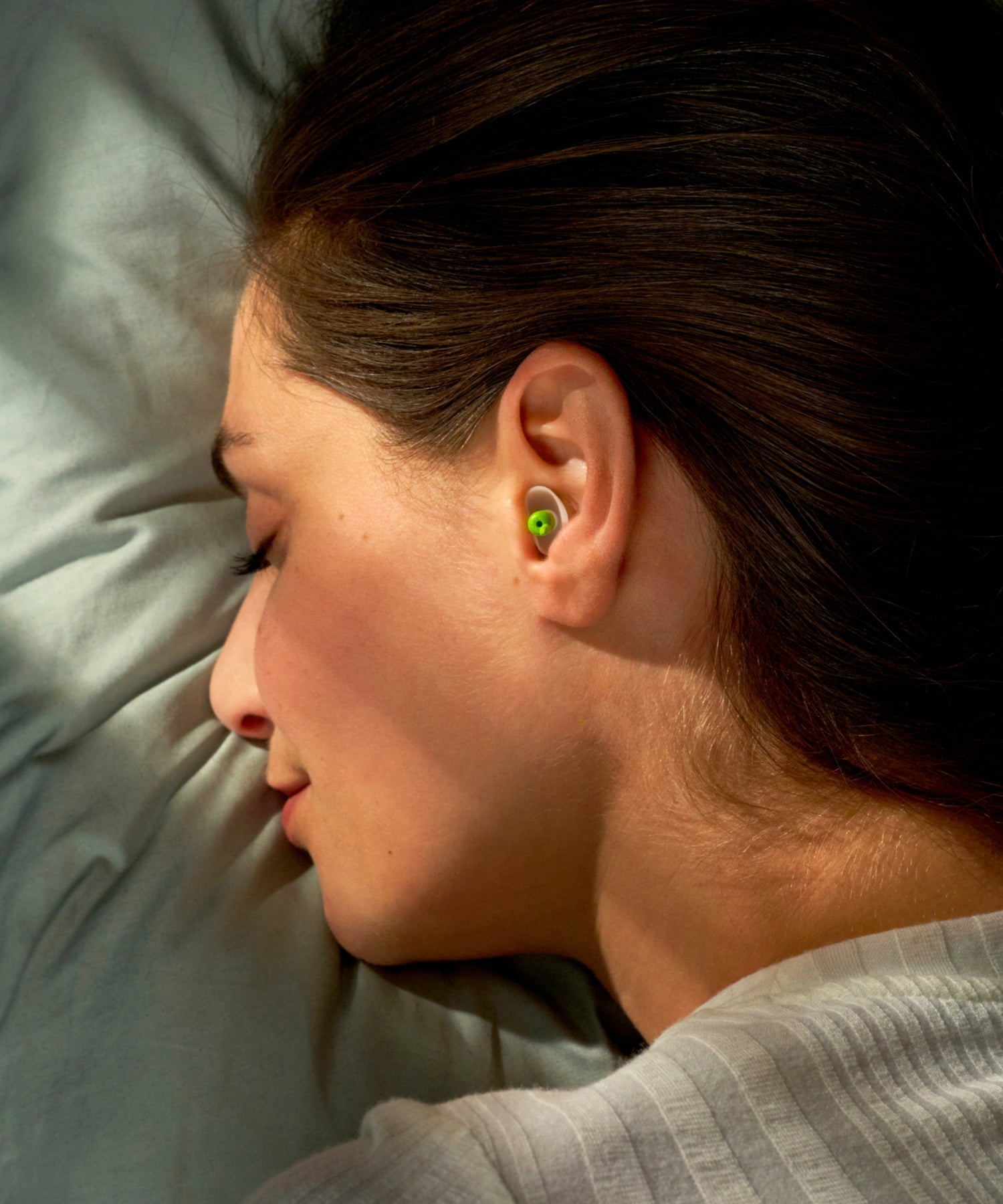
- Use earplugs, such as Alpine SleepDeep, to reduce ambient noise and help you get better rest. These earplugs are specifically designed to improve your sleep.
- Get enough movement during the day, preferably outdoors. Avoid intense exercise just before bed.
- Avoid caffeine and alcohol in the evening.
- Keep a sleep diary to record what's preventing you from sleeping. Writing things down can give you useful insights.
- Relax before bed. A warm bath, quiet music or meditation can help.
When should you seek help for sleep deprivation?
If you've been trying to improve your sleep for a few weeks but are still experiencing poor sleep or symptoms of sleep deprivation, it's wise to get help. Consider:
- Speaking to your GP
- Getting a referral to a sleep specialist or psychologist
- Getting treatment for underlying sleep problems (such as sleep apnoea or anxiety)
Frequently asked questions about sleep deprivation
Is one bad night harmful?
The odd night of poor sleep is frustrating, but it's usually not harmful. Your body recovers from it quite quickly. Everyone has the occasional night of poor-quality or insufficient sleep.
Can you catch up on lost sleep?
To some extent, yes. You can 'top up' your sleep by getting a few extra hours at the weekend or taking power naps. But you can't fix chronic sleep deprivation with just one lie-in. Consistency matters more than occasionally sleeping in.
How do I know if I'm really not getting enough sleep?
Clear signs of sleep deprivation include frequently feeling sleepy during the day, struggling to concentrate, and being easily irritated. Waking up tired in the morning could also be a sign of a sleep disorder or poor sleep quality.