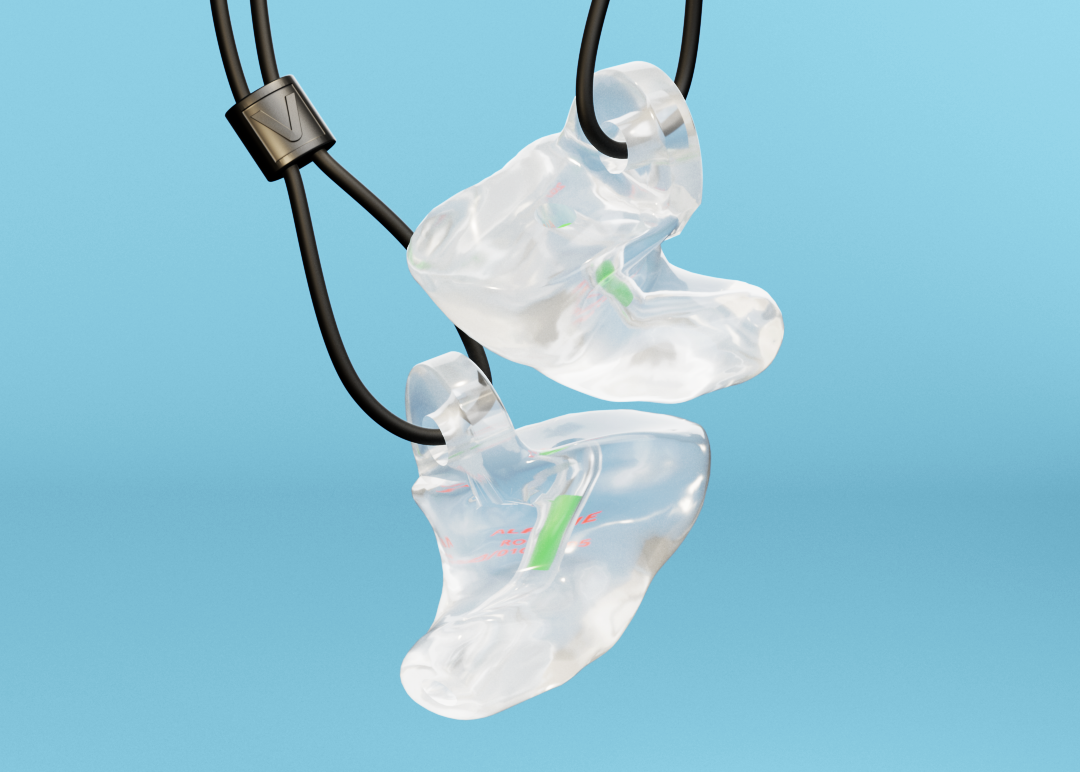
You might not think about it, but custom earplugs that fit perfectly when you first got them can lose their seal over time. Even small gaps can reduce the level of protection you’re expecting. A leak test can quickly indicate whether your custom hearing protection still appears to be sealing properly. And that matters because earplugs that don’t seal well can create a false sense of security.
Why Perfectly Fitted Custom Earplugs Can Still Change
Reason 1: Your ears change
However subtle, your ears can change throughout your life. Those changes can be related to:
- Age
- Weight fluctuations
- Temperature
- Hormonal changes
- Minor injuries
With custom hearing protection, even a small change may create a tiny gap between your earplug and your ear canal.
The invisible gap that lets sound through
A very small gap can allow sound to “leak” around the earplug and reduce the overall attenuation. In some situations, that can increase the chance of being exposed to higher noise levels than you intended especially in loud environments like festivals. Depending on the type of earplug and filter, sound that bypasses the intended path may be reduced less than expected.
How Does a Leak Test for Custom Hearing Protection Work?
The pressure test: simple and clear
A professional leak test uses gentle air pressure to assess whether your earplugs are sealing. Think of it like checking a bike tire. If the pressure stays stable, that typically indicates a good seal. If the pressure drops, it may indicate a leak meaning your hearing protection may not be sealing fully. If you’d like the technical details, a hearing care professional can explain how this type of measurement works and what the results mean.
What does the result tell you about your protection?
A small leak doesn’t automatically mean you need new earplugs right away.
It depends on where you use them, how loud the sound is, and how long you’re exposed. Do you go to a festival once a year? The impact may be different than if you ride a motorcycle daily or work in a noisy environment.
How Often Should You Have Your Custom Earplugs Tested?
Once a year is a smart guideline
An annual check is a good starting point for most people. Why?
- Your ears can change subtly.
- Materials can become less flexible.
- Filters can wear out.
Think of it like a dental checkup or annual car maintenance. A quick check can help you keep your hearing protection performing as intended. Effective hearing protection is a long-term investment.
Signs you should test sooner
Do you use your hearing protection intensively? Then more frequent checks may make sense. Consider getting a check sooner if you notice any of these changes:
- They feel less comfortable than before.
- You see cracks or deformation.
- They fall out more easily.
- Inserting them takes more effort.
- You clearly hear more sound than before.
- You’ve lost or gained significant weight.
- You’ve had an ear injury or surgery.
What Happens If You Don't Test?
The risk of false security
You’re wearing earplugs, so you may assume you’re protected. But if your hearing protection doesn’t seal properly, you could still be exposing your ears to more noise than you realize. That false sense of security can increase risk because when you think your hearing protection is working, you might stay longer at that festival or take another lap on your motorcycle. Over time, excessive noise exposure can contribute to hearing damage, which can be permanent.
'Almost good' isn't good enough
Noise-related hearing damage can build over time, and some effects (such as tinnitus) may be long-lasting. Often you don’t notice changes right away like ringing in the ears or difficulty following conversations in busy spaces. At Alpine, we believe you should be able to keep enjoying music, silence, travel, and adventure. That’s why fit and performance matter. The good news? In many cases, there are clear steps you can take to improve your protection and regular testing is one of them.
Getting Your Hearing Protection Tested: What Are Your Options?
Professional measurement
A specialist or audiologist can perform a professional leak test. The check is typically quick, both ears are measured separately, and you get immediate results plus advice about any adjustments or replacement that may be needed. A professional measurement is the most reliable way to assess whether your earplugs are sealing as expected.
What can you check at home yourself?
You can recognize warning signs at home, but you can’t do a true leak measurement yourself. For example, check:
- Are there visible cracks or damage?
- Do the earplugs still feel flexible?
- Do they seal comfortably?
- Are you experiencing more sound than before?
Important: this doesn’t replace a professional test, but it can help you stay alert.
Replace or Switch?
When replacement makes more sense
Use this simple guideline:
- Older than 4 years? → replacement often makes sense
- Material damaged or dried out? → replace
The average lifespan of custom hearing protection is 2 to 4 years, depending on use and maintenance. In some cases, replacement may be the more practical option than repeated adjustments especially if materials have changed or the fit can’t be restored.
Is universal hearing protection an alternative?
High-quality universal earplugs can be an effective option for many situations. With acoustic filters, they can provide meaningful noise reduction when fitted and used correctly without the need for a custom molding process. They can be a good choice for concerts and festivals, motorcycle riding, or sleeping at night. Universal earplugs are also a practical and relatively affordable option for many people.
Maintenance: How to Keep Your Hearing Protection Working Longer
Daily care that makes a difference
Good maintenance can help preserve fit and extend the life of your hearing protection. Here’s what we recommend:
- Clean after each use with lukewarm water and mild soap.
- Dry completely before storing.
- Store in a protective case. Don’t just toss them in your pocket.
- Avoid extreme heat.
- Keep away from chemicals.
Our advice: if you take care of your hearing protection, it’ll help take care of your hearing.